96 Well Plate Template: Complete Guide for Labs in 2026
A 96 Well Plate Template is a simple grid tool used in labs. It helps you plan, track, and label samples with ease. Many students and lab staff use it for PCR, ELISA, and cell culture work.
In 2026, labs rely on digital and printable formats of this tool. A good layout saves time and reduces human error. This guide explains everything in clear and simple language.
What Is a 96 Well Plate Template?
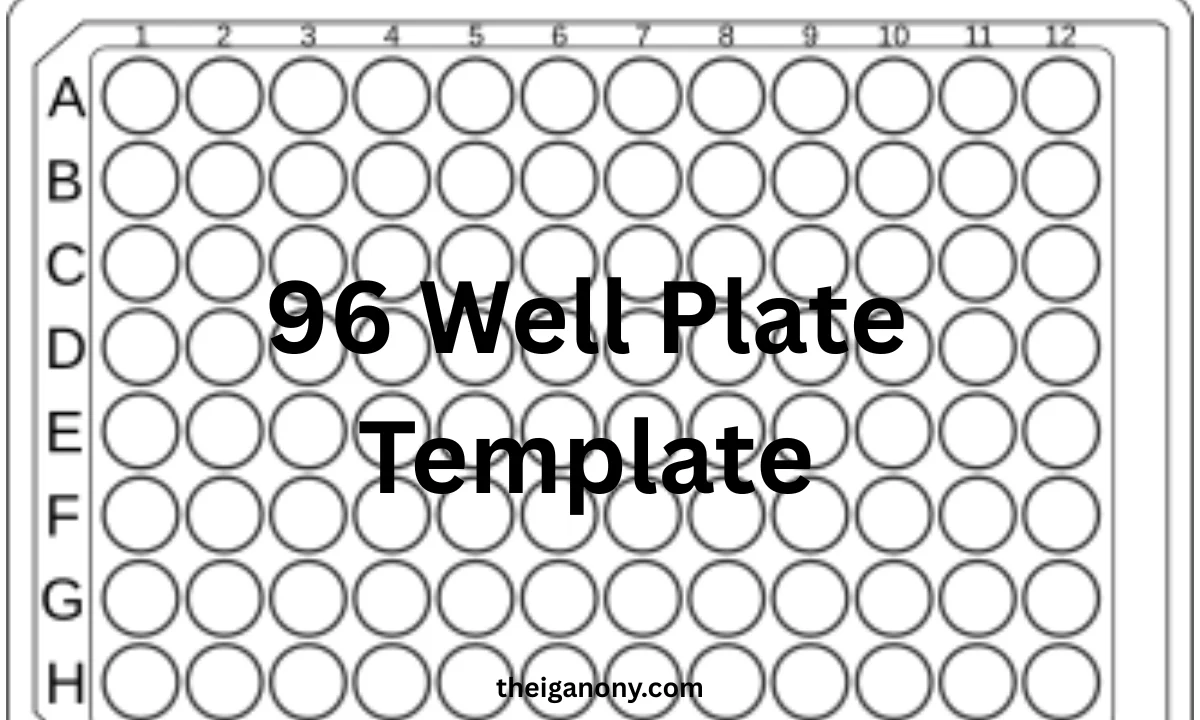
A 96 well plate template shows a plate with 96 small wells. It has 8 rows labeled A to H and 12 columns labeled 1 to 12. Each well gets a unique name like A1 or H12.
This format helps you place samples in a clear pattern. You can track controls, blanks, and repeats. It also helps others understand your setup quickly.
Why Labs Use a 96 Well Plate Template
Labs use this template to avoid confusion during experiments. It gives a clear visual plan before work begins. It also helps reduce mistakes in sample placement.
A 96 well plate template is useful for both beginners and experts. It keeps data clean and easy to read. This is very important in research and diagnostics.
Structure of a 96 Well Plate
The structure stays the same in all standard plates. Rows and columns form a grid that holds samples. Each position has a fixed label.
| Row | Column Range | Total Wells |
|---|---|---|
| A–H | 1–12 | 96 |
Each well is small but important. You must label each one correctly. Even a small mistake can affect results.
Common Uses in Laboratories
A 96 well plate template supports many lab tasks. It works well for testing many samples at once. This saves time and effort.
Here are common uses in simple terms:
- DNA and RNA testing
- ELISA assays
- Drug screening
- Cell culture studies
Labs choose this format because it is fast and reliable. It also works with automated machines.
How to Read a 96 Well Plate Template
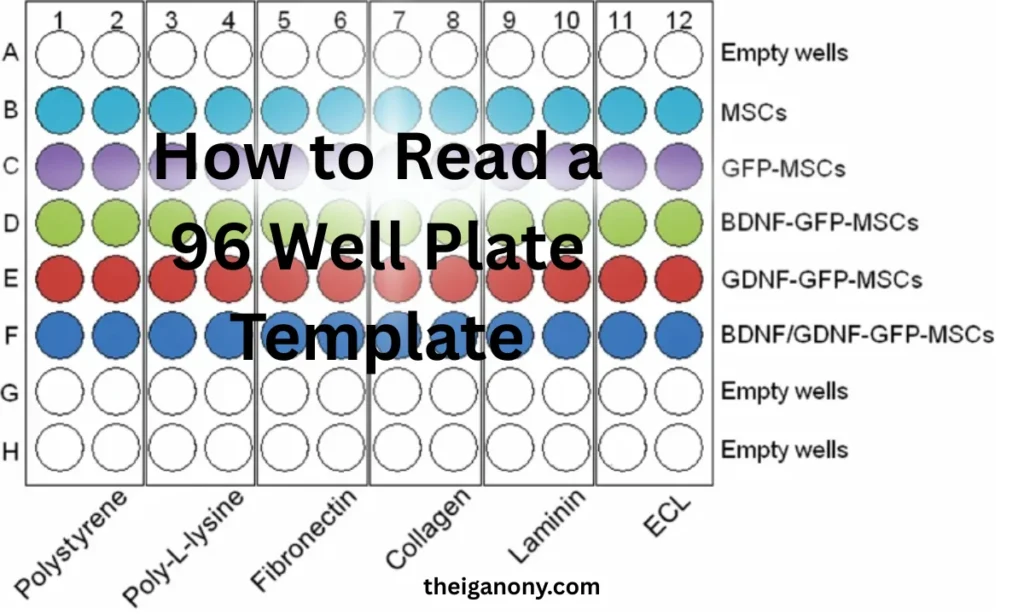
You read the plate like a map. Rows go from A to H from top to bottom. Columns go from 1 to 12 from left to right.
For example, A1 is the top left well. H12 is the bottom right well. This clear system helps in accurate work.
Read more: Association for social development
Printable vs Digital Templates
You can use paper or digital formats. Both have benefits based on your work style. Many labs now use digital tools in 2026.
| Type | Benefit | Use Case |
|---|---|---|
| Printable | Easy to carry and mark | Small labs, teaching |
| Digital | Easy to edit and share | Research labs |
A 96 well plate template in Excel is very popular. It allows quick edits and color coding.
How to Create Your Own Template
You can create a template in simple steps. Many tools like Excel or Google Sheets can help. You just need rows and columns.
Start by labeling rows A to H. Then label columns 1 to 12. Add borders to form a grid.
You can also add colors for different samples. This helps you see patterns quickly. A custom 96 well plate template can match your exact needs.
Best Practices for Using the Template
Good habits improve your lab work. Always plan before starting the experiment. A template helps you stay organized.
Write clearly and double-check labels. Use consistent naming for samples. Save your template for future use.
A 96 well plate template works best when updated often. Always keep a clean copy for records.
Common Mistakes to Avoid
Mistakes can lead to wrong results. Many errors happen due to poor labeling. You must stay careful at all times.
Do not skip wells without marking them. Do not change labels during the experiment. Always review your setup before starting.
Using a 96 well plate template reduces these risks. It keeps your work structured and clear.
Importance in Modern Labs (2026)
Modern labs use automation and AI tools. These systems need clear input data. A well-made template supports this process.
A 96 well plate template helps connect human work with machines. It ensures smooth data flow. This is key in high-throughput labs.
Example Layout of a 96 Well Plate Template
Here is a simple visual table:
| 1 | 2 | 3 | 4 | 5 | 6 | 7 | 8 | 9 | 10 | 11 | 12 | |
|---|---|---|---|---|---|---|---|---|---|---|---|---|
| A | ||||||||||||
| B | ||||||||||||
| C | ||||||||||||
| D | ||||||||||||
| E | ||||||||||||
| F | ||||||||||||
| G | ||||||||||||
| H |
You can print this and fill it by hand. You can also use it in digital form.
Read more: Gloria gaither obituary
Tips for Better Lab Organization
A clear system improves results. Always keep your templates saved. Label files with dates and project names.
Use colors to show controls and test samples. Share templates with your team. This builds better coordination.
A 96 well plate template becomes more useful with practice. Over time, you will work faster and smarter.
| Key Point | Summary |
|---|---|
| Purpose | Organizes samples in lab experiments |
| Structure | 8 rows and 12 columns |
| Formats | Printable and digital |
| Benefits | Reduces errors and saves time |
| 2026 Relevance | Supports automation and data accuracy |
Frequently Asked Questions
What is a 96 well plate template used for?
It helps organize samples in lab experiments. It ensures clear labeling.
Can I make a template in Excel?
Yes, Excel is great for making and editing templates. It is widely used.
Why is labeling important in a 96 well plate?
Labeling prevents errors and keeps data accurate. It supports good results.
Is digital better than printable templates?
Digital is easier to edit and share. Printable is simple for quick use.
Conclusion
A 96 well plate template is a simple but very important tool in modern laboratory work. It gives a clear structure for organizing samples in an 8 by 12 grid, making experiments easier to plan and control. In 2026, labs continue to depend on this system because it supports accuracy, speed, and automation.
When scientists use a proper 96 well plate template, they reduce mistakes in labeling and sample placement. This improves the quality of results in tests like PCR, ELISA, and drug screening. It also helps teams work in a more organized and consistent way.
Overall, this template is not just a layout sheet, but a key part of reliable scientific work. Whether used in printed form or digital software, it remains essential for clear planning and better research outcomes.