
Reading Delhi Weather: Forecasts Without Usual Summaries
Weather patterns in Delhi are erratic and unusual because of many climatic influences. The city temperature drops are extreme across seasons, and there are further differences in readings across parts of North, Central, and South Delhi. From the hot continental winds from the Thar Desert to cold air masses from the Himalayas, every aspect affects the region’s weather at different times.
Interpreting Delhi weather, therefore, is much more than just checking rain and temperature readings. Whether planning construction work or outdoor schedules, understanding parameters for a given area and how regional atmospheric systems interact is a must. Fortunately, there are resources like MeteoFlow that offer better insights for weather in the national capital. MeteoFlow doesn’t limit itself to generic readings, which makes the data reliable.
Reviewing Delhi’s Climate & Local Factors
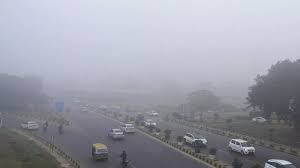
The climate in Delhi has more seasonal contrasts than any other Indian city. Summers can be extremely hot with hot continental winds, while winters can mean dense fog that only worsens with increasing pollution levels. Before the pre-monsoon months, Delhi has dry wind blowing from the Thar Desert, which brings down the humidity but also intensifies daytime heat. Dust storms often bring visibility concerns across the capital in these months.
The southwest monsoon adds some relief in June, but rainfall is often in short, intense spells rather than ongoing downpours as seen in cities like Mumbai. Localised rainfall often paralyses drainage systems and traffic.
Interpreting Weather Without Averages
Daily temperature values in Delhi often don’t reflect conditions for a given area, considering there could be variations in the heat index. In other words, central Delhi is likely to be warmer than the Noida suburbs on any given summer day. Rain probability may seem like a great indicator, but it doesn’t reveal anything about rainfall timing or intensity for a given pocket of the national capital. In winter, the variations are even more pronounced, with fog conditions changing visibility dramatically within hours.
Sectors Sensitive to Delhi Weather
Reading Delhi’s weather isn’t just about average users. Numerous industries depend on different parameters, which have to be specific to a part of Delhi and not generic forecasts. Visibility and wind conditions matter the most for aviation and transport, especially for flight operations and traffic safety, respectively. Construction work needs details like heat exposure, wind gusts, and accurate rainfall timing, which help plan outdoor work and workers’ schedules.
Heatwaves in Delhi’s summer have to be monitored hourly, considering electricity demands can fluctuate considerably across the metro. Relying on static forecasts isn’t entirely beneficial when local weather pockets change so often. Having hourly trend data and seasonal patterns helps plan city operations.
Weather Data that Matters
Given how winds, monsoon systems, and ongoing development impact weather shifts in Delhi, getting hourly forecasts and regular data from the right resource is essential. Knowing how weather elements can shift within small pockets of the city at shorter distances offers more than generic information. Delhi’s weather must be read for specific areas, with a focus on objective parameters that matter.